
Alpha Connect · Voices of Alpha Diversity, Equity & Inclusion
Belonging Beyond Borders: My Journey from Jamaica to the Alpha Group of Companies
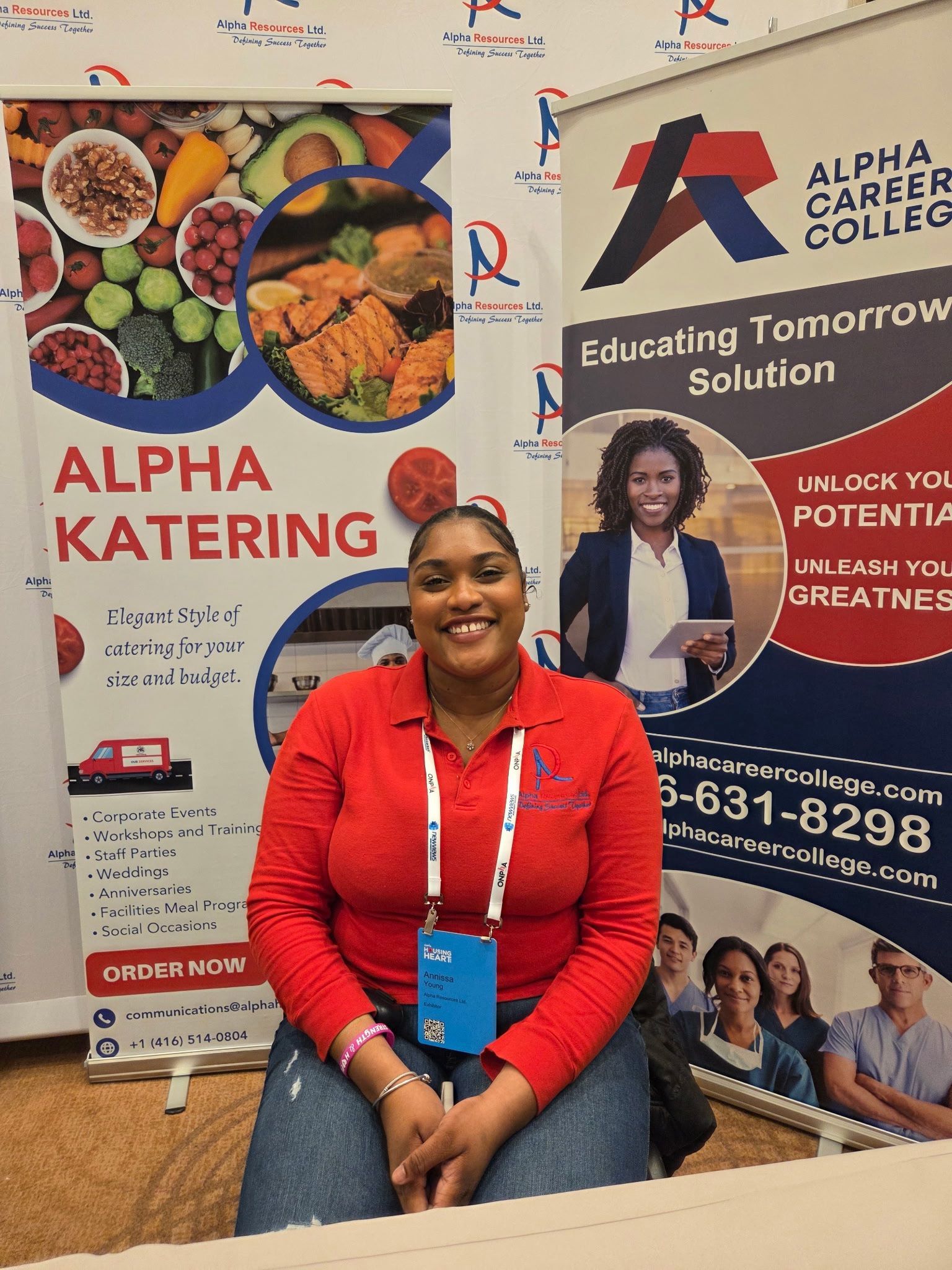
I think I have always known what diversity is. It's just that it wasn't as defined, or put into perspective, as it became when I left my home.
- Jamaica Growing up with “Out of Many, One People”
- United States A new country after Grade 10
- University Trinity Washington University
- Alpha Group Helping shape our DEI Toolkit
Out of many, one people
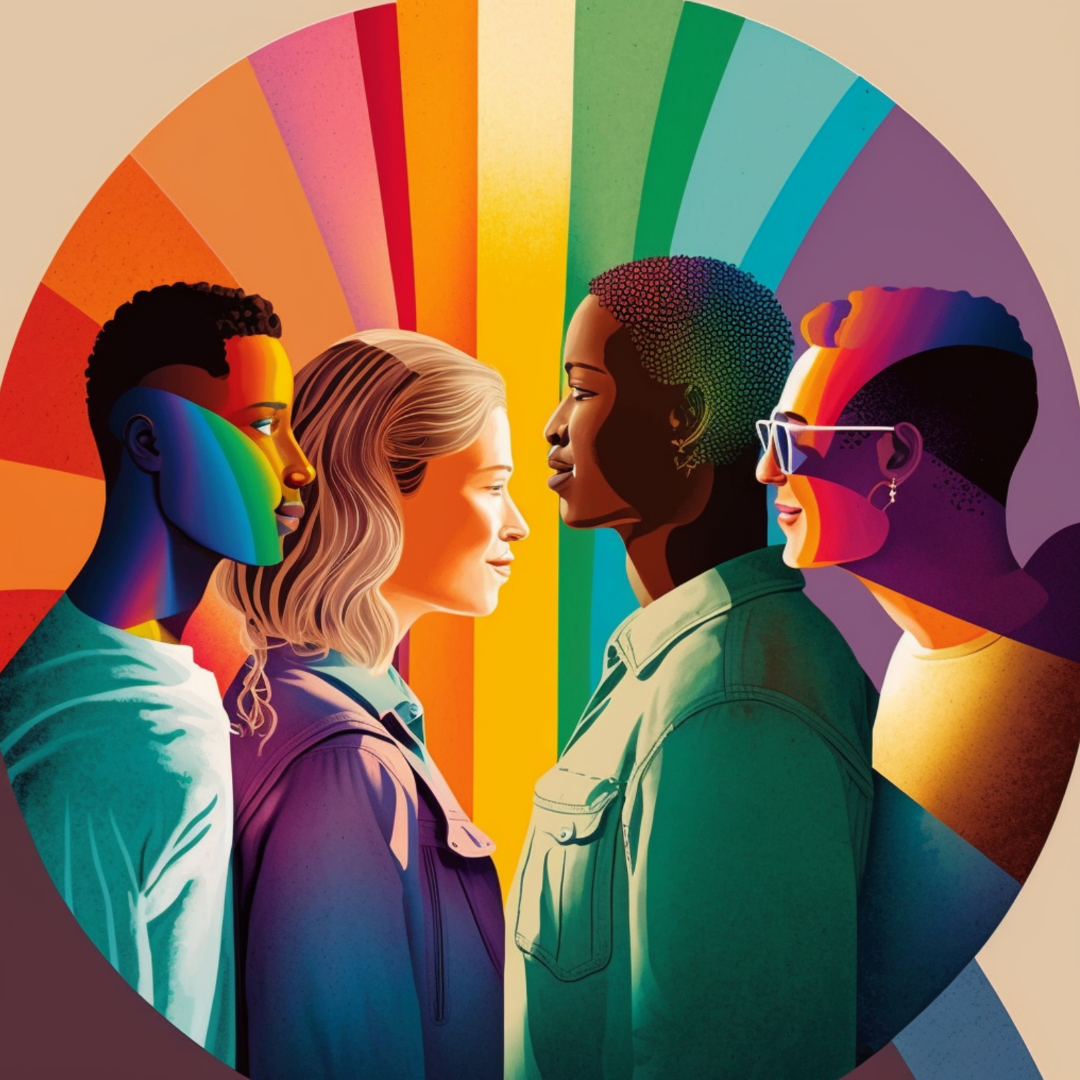
Growing up in Jamaica, I never really saw a person's colour, or even if we did, we never talked about it so distinctively, like it mattered. To us, to me, it didn't. Our national motto, Out of Many, One People, was taught to us at every stage of school: Pre-K, Kindergarten, Elementary, High School. For many of my friends and family who stayed, that same message continued through college and university.
I had friends who were of Indian descent, Asian (Chinese and Korean), Latina (mostly from Latin America), Caucasian (of European and American descent), African, and of Caribbean descent. Yes, most of us were Jamaica-born, and our families had been on the island for generations. Some had migrated with their parents for several reasons, but mostly for business, from my understanding.
So yes, Jamaica is literally a melting pot. Even though we knew, deep down, the ethnic differences between us, it didn't matter. We had the jokes we would sometimes tell, but never to the point where it was obvious or where someone felt different. It was the love of the island, the bond between friends, the inspiration for the next generation.
A motto chosen to reflect the unity of the island's many cultures and religions, and the spirit that shaped how I see people.
Leaving home, and learning difference
I left Jamaica after the tenth grade and migrated to the United States. Wow! It was a culture shock. In my last two years of high school there, the differences were obvious. It was felt. In my experience, there seemed to be a shared trauma between African Americans and others from the Caribbean and other African countries. People separated into groups. Then those small groups were separated by friends from the same continent, countries, and the list continued.
I wasn't used to that. It was disheartening. And just like that, I had to fall into one of those groups, those cliques, because it was where I felt safe, psychologically. And even then, I could not be my authentic self unless it was with other Jamaicans.
I had to fall into one of those groups because it was where I felt safe. And even then, I could not be my authentic self.
Annissa YoungFinding purpose in safe spaces
University was slightly similar, but I went to a university where the leadership was intentional in creating safe spaces for young women, no matter their nationality, ethnicity, or race. I loved this place: Trinity Washington University.
It was the dedication and passion of this leadership, and of so many of my professors, that inspired my friends and me to be purpose-driven women in society: women who advocate for the underrepresented, for corporate sustainability, for policy change, for destigmatizing mental health in the workplace, and for the importance of different voices, opinions and perspectives in board meetings and team meetings across many industries.
Building belonging at Alpha
My lived experiences have allowed me to help shape the Diversity, Equity and Inclusion Toolkit across the Alpha Group of Companies. We are not new to this; however, this is an area of continuous building and learning. We strive to be the gold standard in our services and across the industries we serve, but we also know that “gold standard” is not a destination. It is a practice.
Listening
Listening when it's uncomfortable.
Acting
Revising and applying policies when they don't reflect lived reality.
Making room
Creating room for people who have historically been told to shrink themselves to fit in.
It means recognizing that DEI is not just about representation, but about power, access and belonging. It means that when someone from an underrepresented group walks into an Alpha Group space, whether a kitchen, a client site or a boardroom, they can see themselves in our leadership, our decisions and our culture.
“Gold standard” is not a destination. It is a practice.
Annissa YoungThe closest thing to home
Yes, I love my home. It will always be my home, but we also have deeper issues that relate to other parts of DEI that can be better, and that present challenges for the underrepresented groups affected by them. I wish that others, including some of my fellow Jamaicans, could have experienced that feeling of belonging that I did. I haven't felt that in the decade since I left home.
From my lived experience, this feeling of vulnerability transcends a positive workplace culture. The culture and sense of belonging that the Alpha Group of Companies is building is the closest I have come to that feeling again: a place where “Out of Many, One People” is not just a motto on a page, but a daily practice in how we recruit, lead, empower and support each other.
Disclaimer: This story represents the author's individual perspective and is not intended to represent the experiences or views of all employees or communities.
Be part of a team that makes room for everyone
Explore careers across the Alpha Group of Companies, or read more stories in Alpha Connect.