
Alpha Connect · Community National Day for Truth and Reconciliation September 30, 2026
Every Child Matters: Orange Shirt Day and the National Day for Truth and Reconciliation
Every September 30, people across Canada wear orange to honour the children who were taken to residential schools, the children who never came home, and the Survivors, families and communities who still carry that history. At Alpha Career College, we pause on this day to listen, to learn and to recommit to reconciliation in the way we teach, care and work.
The story behind the orange shirt
In 1973, six-year-old Phyllis Webstad, who is Northern Secwépemc from the Stswecem'c Xgat'tem First Nation, arrived for her first day at St. Joseph's Mission Residential School near Williams Lake, British Columbia. She was wearing a shiny new orange shirt her grandmother had bought for her.
The shirt was taken from her, and she never wore it again. For years, the colour orange reminded her of feeling that her feelings did not matter and that no one cared.
Phyllis shared her story at the St. Joseph Mission Commemoration Project and Reunion in Williams Lake in May 2013, and Orange Shirt Day was born that year. What had been a symbol of loss became a symbol of hope, and of a promise that every child matters.
It is the time of year when children were taken from their homes to residential schools, and it sets the tone for respect and anti-racism for the school year ahead.
Every Child Matters.
Wearing orange says that residential schools were wrong, that Survivors are heard, and that we commit to building a future where every child is safe, valued and free to be who they are.
Remembering the truth
For more than a century, the residential school system separated First Nations, Inuit and Métis children from their families, languages and cultures, with the aim of assimilating them. Reconciliation starts with knowing what happened.
- 150,000+ First Nations, Inuit and Métis children were forced to attend residential schools.
- 130 federally supported schools operated between 1831 and 1996.
- ~6,000 children are estimated to have died. Many more remain missing.
- 94 Calls to Action were issued by the Truth and Reconciliation Commission in 2015.
Sources: The Canadian Encyclopedia; Truth and Reconciliation Commission of Canada.
From one shirt to a national day
-
The Mohawk Institute opens in Brantford, Ontario. It becomes one of the longest-running residential schools in Canada.
-
Six-year-old Phyllis Webstad's new orange shirt is taken on her first day at residential school.
-
The last federally supported residential school closes, in Saskatchewan.
-
The Government of Canada issues a formal apology to Survivors.
-
The first Orange Shirt Day is held, after Phyllis shares her story in Williams Lake, B.C.
-
The Truth and Reconciliation Commission releases its final report and 94 Calls to Action.
-
Canada marks the first National Day for Truth and Reconciliation on September 30, answering Call to Action 80.
Why reconciliation matters in our classrooms
Our graduates go on to support people in some of the most personal moments of their lives: in homes, hospitals, shelters, group homes and community programs. Many of the people they serve are First Nations, Inuit and Métis. That makes reconciliation part of everyday professional practice, not only a date on the calendar.
Culturally safe care
The TRC's Call to Action 23 asks for cultural competency training for all health-care professionals. As a career college that trains PSWs and community workers, we take that call seriously.
Trauma-informed practice
Intergenerational trauma is real. In our Mental Health and Addiction, Child and Youth Care and Developmental Services programs, students learn to listen first, avoid harm and build trust.
Dignity for every person
Respect, empathy and integrity sit at the heart of how we teach. Learning the truth of our shared history helps us live those values with every client and family.
Our commitment Alpha Career College is committed to learning the truth, honouring Survivors and preparing graduates who deliver care with humility, respect and cultural awareness. Reconciliation is a long journey, and we are walking it together as a college community.
How the Alpha family came together
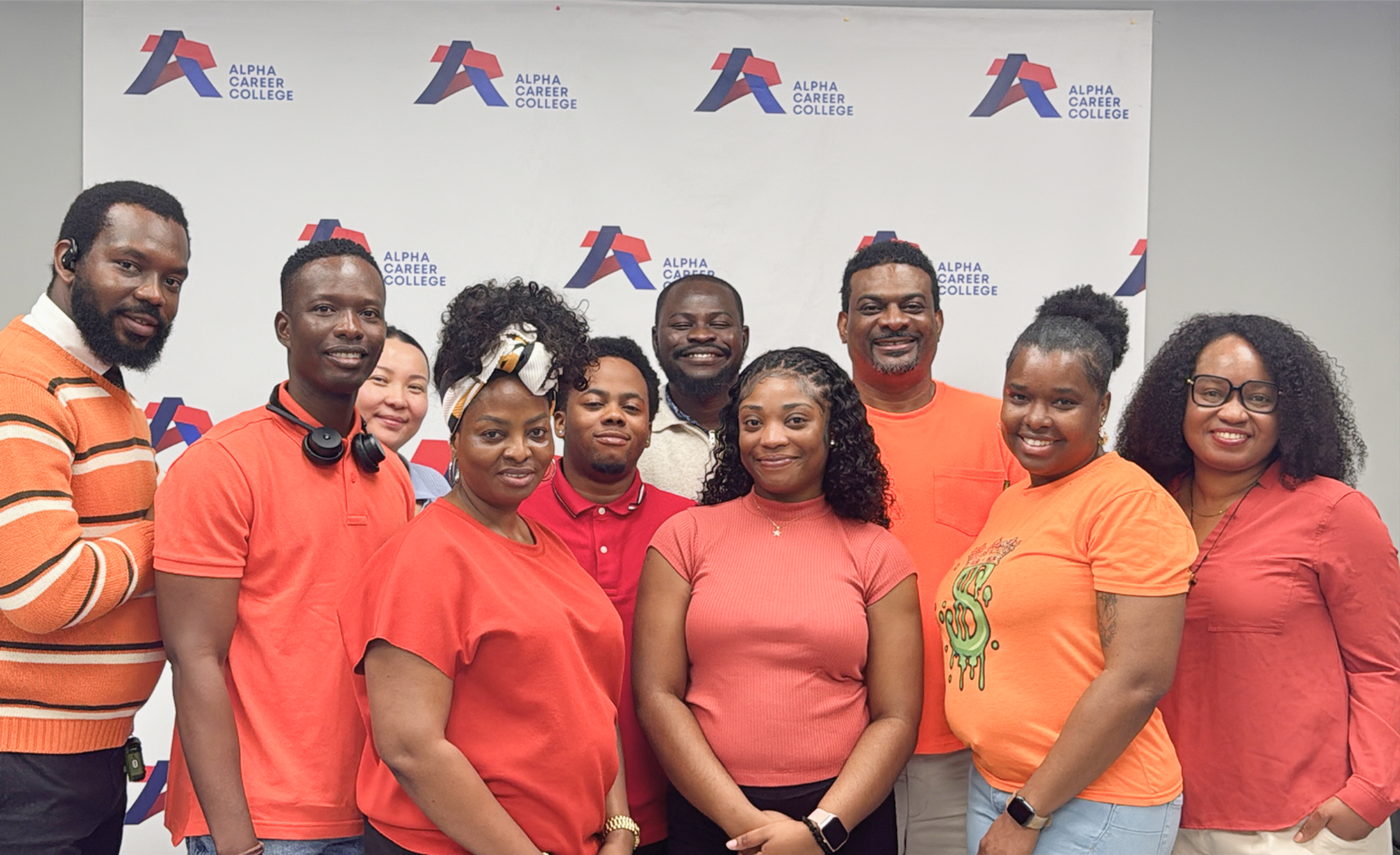
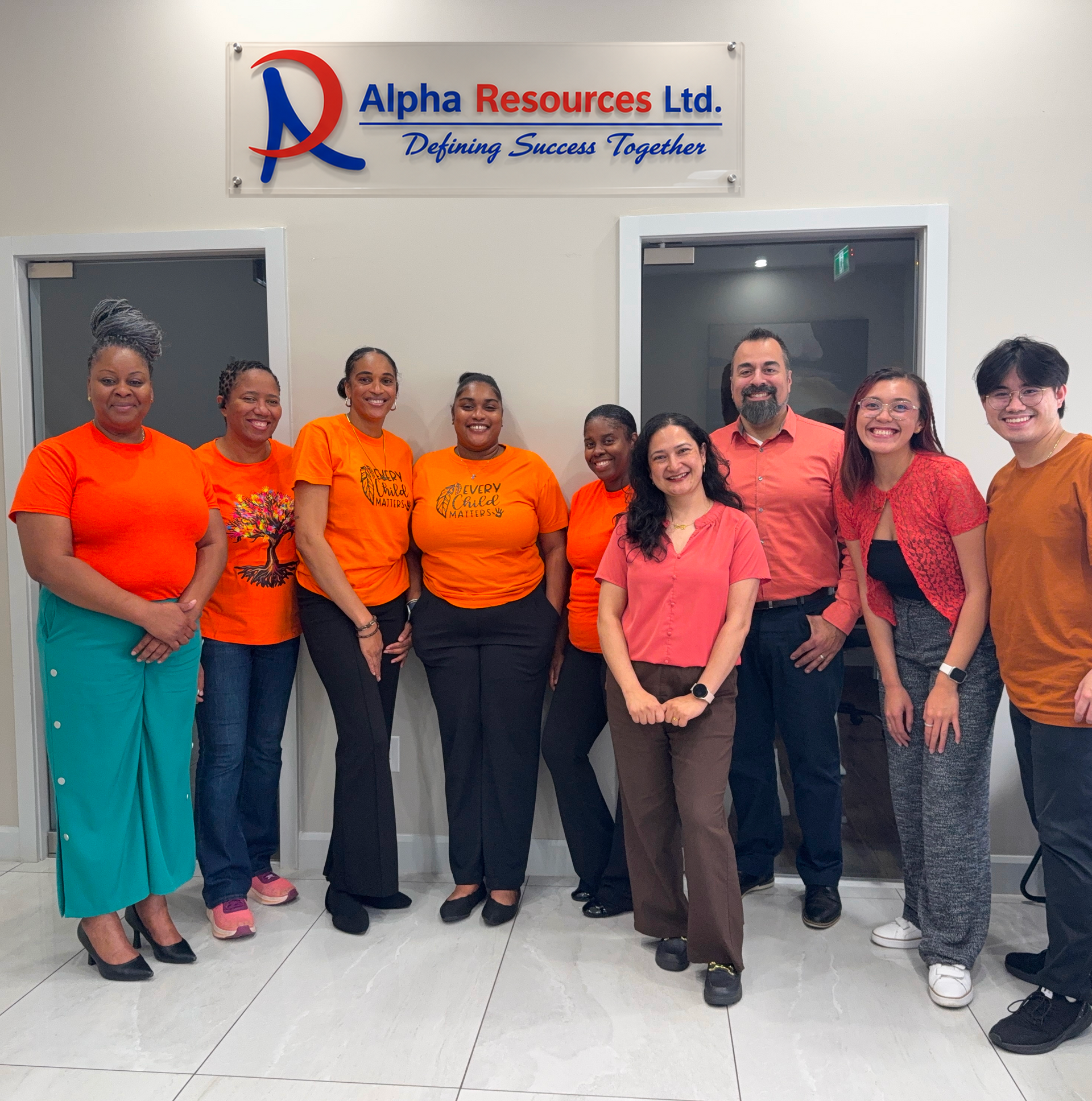
On September 30, our teams across the Alpha family wore orange to stand with Survivors and their families and to show that every child matters.
Ways to keep learning and acting
Reconciliation does not end on September 30. Here are simple, meaningful steps for students, staff and families:
- Learn whose land you are on Find out about the First Nations, Inuit and Métis communities where you live, study and work, and the treaties that apply.
- Listen to Survivors Read, watch and listen to Survivors' own stories, and share them respectfully.
- Read the 94 Calls to Action Pick one that connects to your future career, especially the health Calls to Action (18 to 24), and think about how you can help.
- Support Indigenous-led organizations Learn from and support groups such as the Orange Shirt Society and the National Centre for Truth and Reconciliation.
- Carry it into your practice Bring curiosity, cultural humility and respect to every client, every family and every placement.
We honour the children who never returned home, the Survivors, and their families and communities. Every child matters, today and every day.