Harm Reduction Training
Meet people where they are. Help them stay safer, connected, and respected
Harm Reduction Training
Substance use is part of many people’s lives and so is the risk of harm, especially in the context of homelessness, poverty, trauma, racism, and stigma.
Harm Reduction Training at Alpha Career College helps you understand substance use through a compassionate, practical lens, giving you tools to support people in safer, more respectful ways.
Why This Training Matters
People who use substances often experience:
- Stigma and discrimination
- Barriers to housing, healthcare, and employment
- Increased risk of overdose, illness, and violence
Harm reduction is about reducing these risks, without judgment and without requiring immediate abstinence. It focuses on building trust, offering options, and keeping people alive and connected to care.
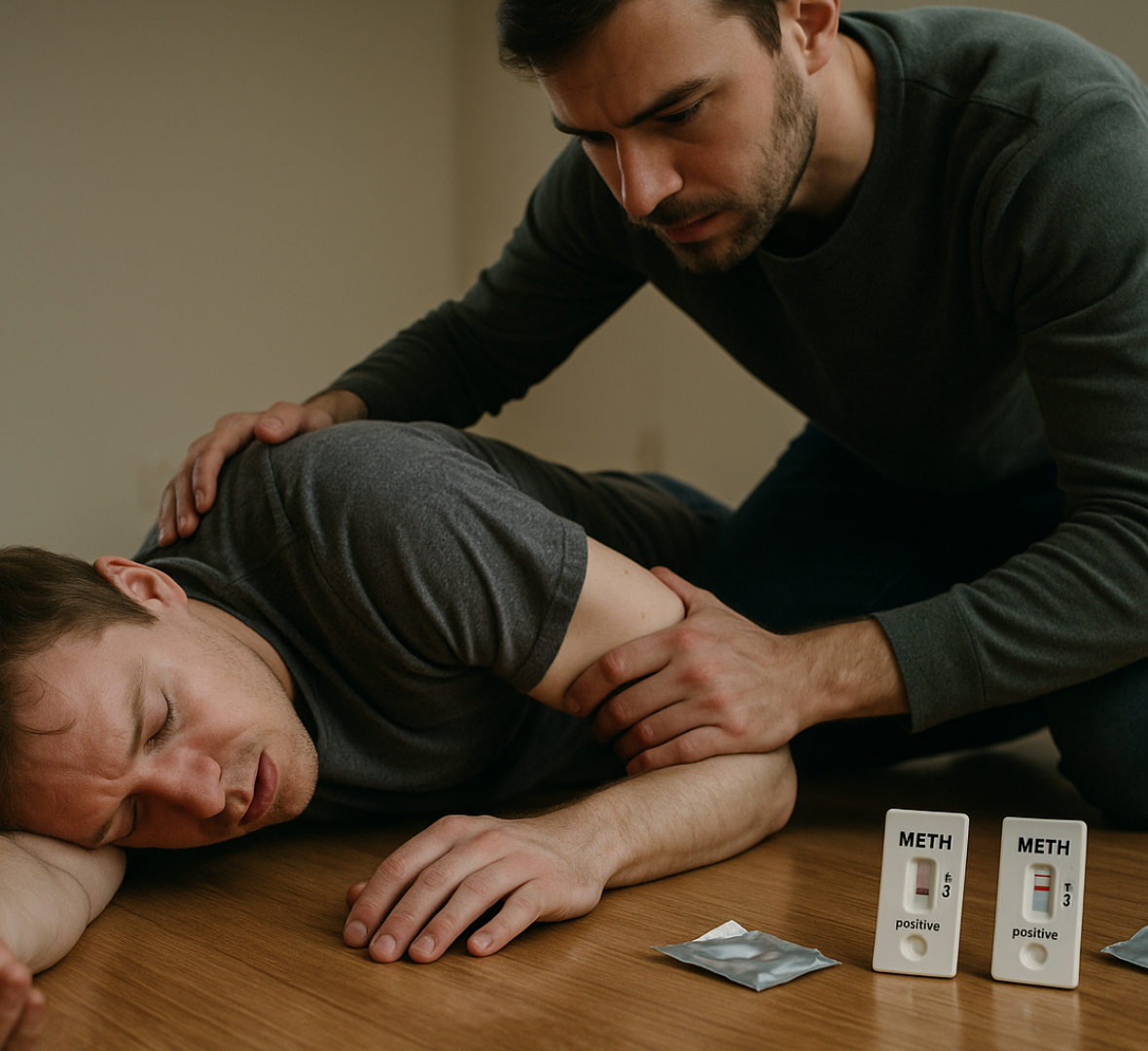
Harm Reduction
Who Is This Training For?
This training is ideal for:
- PSW, DSW, FSW, ICM and mental health/addictions students
- Shelter, housing, and outreach workers
- Staff in harm reduction and overdose prevention programs
- Community, peer support, and volunteer workers
- Anyone working with individuals, families, or communities affected by substance use.
Alpha Student Experiences
"Alpha Career College is an excellent school with very professional instructors and staff members. The type of support I received there was impeccable."
Where You Can Use These Skills
Participants can apply Harm Reduction skills in:
- Harm reduction and supervised consumption services
- Shelters, respite centres, and drop-ins
- Supportive housing and community mental health programs
- Street outreach, mobile services, and peer support projects
- Healthcare, counselling, and social service settings
These skills are valuable in any setting where people may be affected by substance use.
Participant Requirements
- Interest in working with or supporting people who use substances
- Openness to exploring values, beliefs, and biases around substance use
- Recommended for participants 18+
.
Training Outline
Learn how to support people who use substances in ways that are safer, more equitable, and more compassionate